
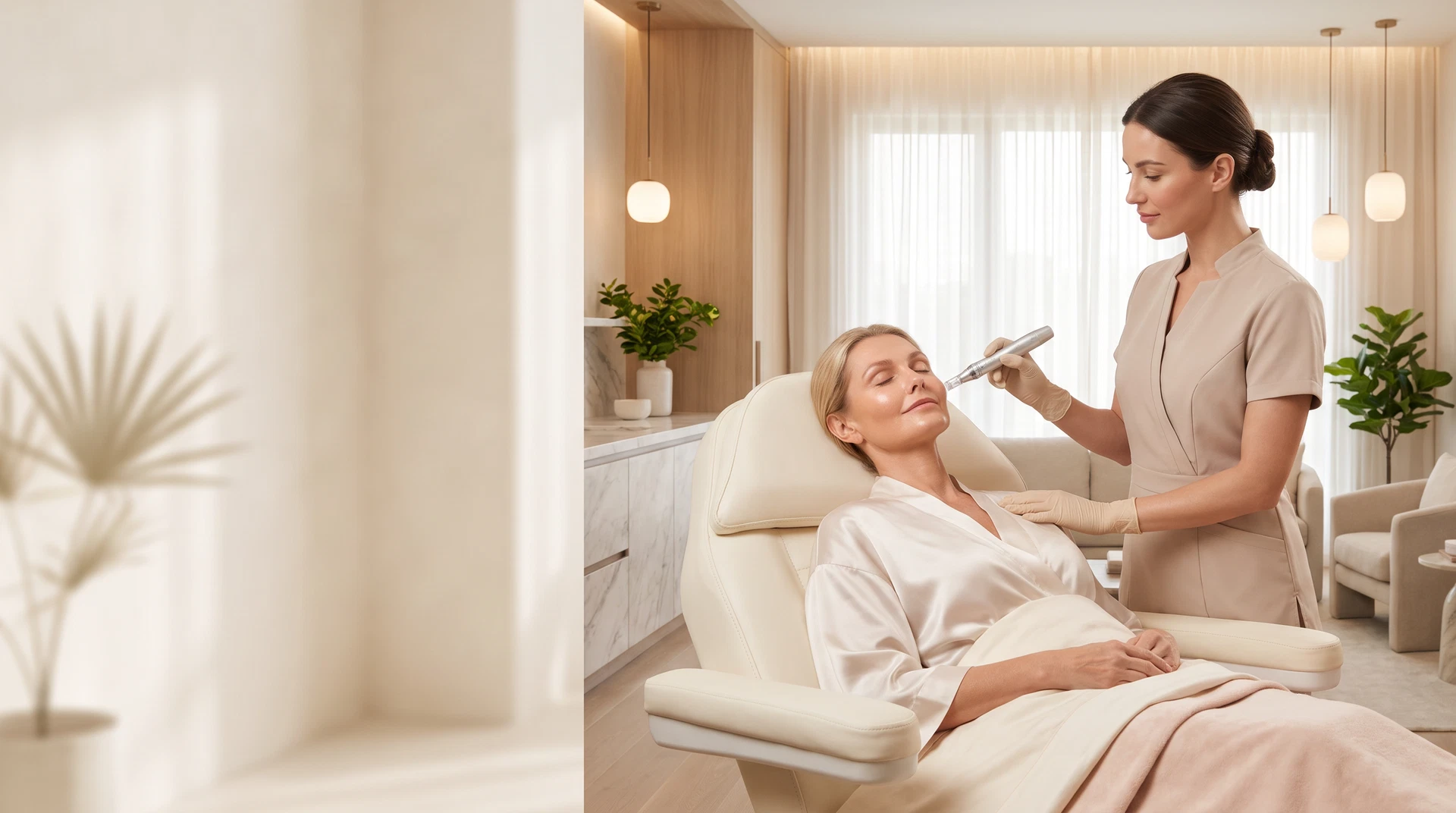
Microneedling 101: Benefits, Costs, Results & Finding Providers
Discover everything you need to know about microneedling, including the latest 2026 industry statistics, costs, expected results, and how to find a top-rated local provider.
Understanding Microneedling: The Gold Standard in Skin Rejuvenation
In the rapidly evolving world of medical aesthetics, few treatments have achieved the sustained, universal acclaim of microneedling. Also known as collagen induction therapy, this minimally invasive dermatological procedure has transformed modern skincare by harnessing the body’s innate healing mechanisms. Whether you are looking to reverse the visible signs of aging, smooth out stubborn acne scarring, or achieve an enviable, glass-skin glow, microneedling offers a versatile, highly effective solution with minimal downtime.
As consumers increasingly favor non-surgical aesthetic enhancements over invasive procedures, understanding how microneedling works, what to expect, and how to secure the best Microneedling experience is paramount. This comprehensive guide breaks down everything you need to know about the treatment, backed by the latest clinical data and industry insights.
How Microneedling Works: The Science of Collagen Induction
Microneedling operates on a remarkably elegant biological premise. Using an automated, medical-grade device outfitted with fine, sterile needles, a trained professional creates thousands of microscopic punctures—known as micro-channels—in the epidermal and dermal layers of the skin.
- The Phase of Injury: The controlled micro-injuries trigger the body's natural wound-healing cascade without causing actual tissue destruction or scarring.
- The Cellular Response: This process stimulates specialized cells called fibroblasts to ramp up production, leading to a remarkable up to 400% increase in collagen and elastin synthesis over subsequent months.
- Enhanced Absorption: The micro-channels temporarily bypass the skin's protective barrier, allowing specialized topicals like hyaluronic acid, growth factors, or platelet-rich plasma (PRP) to penetrate deeply and maximize therapeutic outcomes.
Key Benefits of the Treatment
The versatility of microneedling makes it a staple treatment across top-tier medical spas nationwide. Patients turn to the procedure for a wide array of skin concerns:
- Acne Scar Reduction: Clinical studies consistently demonstrate a 50% to 70% reduction in the depth of atrophic acne scars after a series of sessions.
- Anti-Aging and Wrinkle Smoothing: By restoring structural proteins, the treatment softens fine lines, firms lax skin, and smooths out crepey textures on the face, neck, and décolletage.
- Pore Refinement and Tone: Microneedling normalizes sebum production, minimizes the look of enlarged pores, and helps fade hyperpigmentation, melasma, and sun damage.
2026 Industry Insights and Data: Microneedling By the Numbers
The aesthetic landscape in 2026 reflects an unprecedented boom in non-surgical rejuvenation technologies. Driven by consumer demand for high-efficacy, low-downtime procedures, the global microneedling market continues its rapid ascent.
- Market Valuation: The global market for microneedling devices stands robustly at over $70 billion, fueled by widespread adoption across North America and international markets.
- Unmatched Satisfaction: Rigorous clinical reviews and patient-reported outcome metrics highlight an exceptional patient satisfaction rate exceeding 83%, with the vast majority of patients eager to recommend the treatment to others.
- Advanced Technology Shift: Approximately 73% of leading dermatologists and plastic surgeons now lean toward advanced radiofrequency (RF) microneedling variants, which combine mechanical micro-injury with deep dermal thermal heating for superior skin tightening.
What to Expect: The Procedure and Recovery Timeline
For first-time patients, understanding the treatment journey helps alleviate apprehension. A typical session follows a structured clinical protocol:
1. Consultation and Preparation
Your provider evaluates your skin type, medical history, and specific aesthetic goals. A topical numbing cream is then applied to the treatment area for 30 to 45 minutes to ensure optimal comfort during the procedure.
2. The Treatment Session
The provider glides the medical-grade pen systematically across the skin. Most patients report feeling only a mild vibration or light scratching sensation. The active needling phase typically lasts between 30 to 45 minutes.
3. Healing and Microneedling Results
Immediately post-procedure, expect a mild sunburn-like redness and minor swelling, which generally subside within 24 to 72 hours. While initial plumping is visible almost immediately due to localized hydration and inflammation, true Microneedling results unfold progressively over 4 to 12 weeks as new collagen matures. For optimal outcomes, practitioners usually recommend a series of 3 to 6 sessions spaced one month apart. Reviewing professional Microneedling before and after galleries can help set realistic expectations regarding your transformation timeline.
Microneedling Cost Breakdown
When budgeting for your skin transformation, understanding the financial investment is essential. On average, standard Microneedling cost ranges from $200 to $700 per session depending on your geographic location, the expertise of the practitioner, and whether specialized adjuncts like PRP or radiofrequency energy are integrated into your protocol. While package deals for multiple sessions often provide better overall value, prioritizing provider qualification over discount pricing is critical for safety and efficacy.