
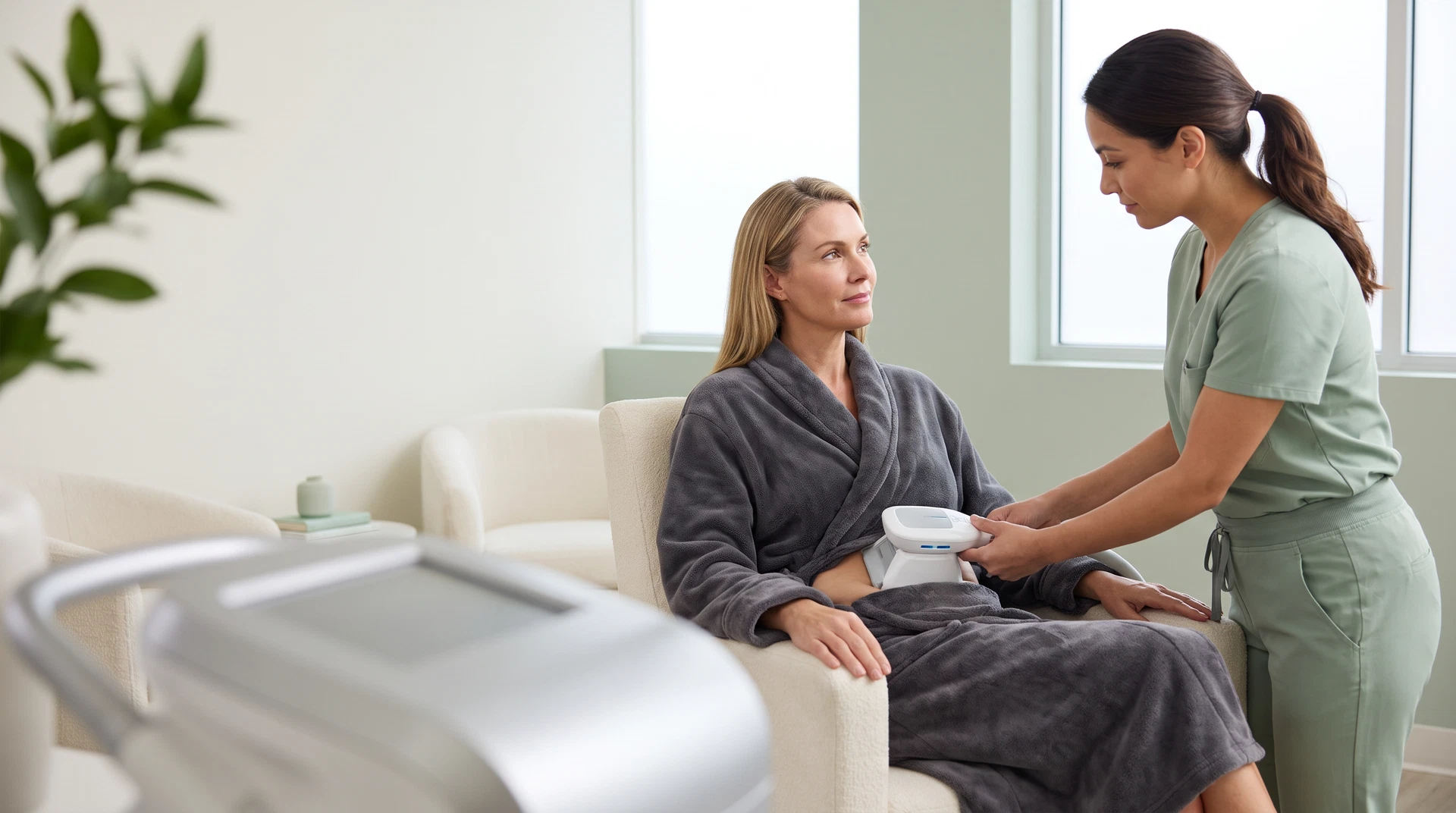
Am I a Good Candidate for CoolSculpting? Candidacy & Goals Guide
Explore what CoolSculpting is designed to address, key consultation discussion points, and practical questions to help determine if this treatment aligns with your goals.
When exploring non-invasive body contouring options, many individuals find themselves wondering whether a specific procedure like CoolSculpting aligns with their personal aesthetic objectives. Understanding who the treatment is designed for, what to discuss during an initial professional consultation, and how to set realistic expectations can help you navigate your options with complete confidence, clarity, and peace of mind.
Understanding CoolSculpting and Its Intended Purpose
CoolSculpting is a non-surgical fat reduction procedure that utilizes controlled cooling technology, scientifically known as cryolipolysis, to target and eliminate stubborn fat cells that often resist dedicated diet and exercise regimens. It is generally intended for localized areas of subcutaneous fat, such as the abdomen, flanks, outer and inner thighs, and underneath the chin. Rather than serving as a rapid weight loss solution, the treatment is specifically designed for body sculpting and refining distinct contours in individuals who are already close to their stable target weight.
Discussion Points for Your Professional Consultation
An in-person consultation with a qualified, certified provider is an essential first step in evaluating your candidacy and overall suitability. During this meeting, you should be fully prepared to discuss your complete medical history, daily lifestyle habits, and specific aesthetic goals. Your provider will evaluate skin elasticity, fat distribution patterns, and underlying anatomical structure to determine whether cryolipolysis represents an appropriate modality for your unique physique.
It is important to recognize that not everyone is an ideal candidate for this procedure. Individuals with specific medical conditions, such as cryoglobulinemia or paroxysmal cold hemoglobinuria, must avoid cold-based treatments entirely. Furthermore, individuals seeking significant overall weight reduction, or those presenting with pronounced skin laxity rather than localized pinchable fat deposits, will likely require alternative medical approaches or individualized assessments to achieve safe and satisfactory outcomes.
Realistic Planning and Preparation Considerations
Setting realistic expectations is vital when planning any aesthetic cosmetic procedure. Results do not appear overnight or immediately, as the human body requires adequate time to naturally process and eliminate the treated fat cells over the course of several weeks to a few months. Additionally, multiple sessions or complementary contouring treatments may be necessary to reach your desired aesthetic milestone depending on the targeted treatment area and individual biological response.
Questions to Ask Your Provider
To ensure you are fully informed and empowered before making any decisions, consider bringing the following practical questions to your consultation appointment:
- What specific anatomical areas can be most effectively addressed based on my personal body type?
- How many treatment sessions are typically required to achieve noticeable and harmonious contour changes?
- What does the immediate recovery process entail, and are there any temporary side effects to anticipate?
- How long after the procedure will it typically take to observe the final visual results?
- What alternative body contouring options or combination therapies might be suitable if CoolSculpting is not right for me?
Disclaimer: This article is for educational and informational purposes only and does not constitute medical advice, diagnosis, or treatment recommendations. Always consult with a qualified healthcare or aesthetic provider for personalized guidance regarding any cosmetic procedure.