
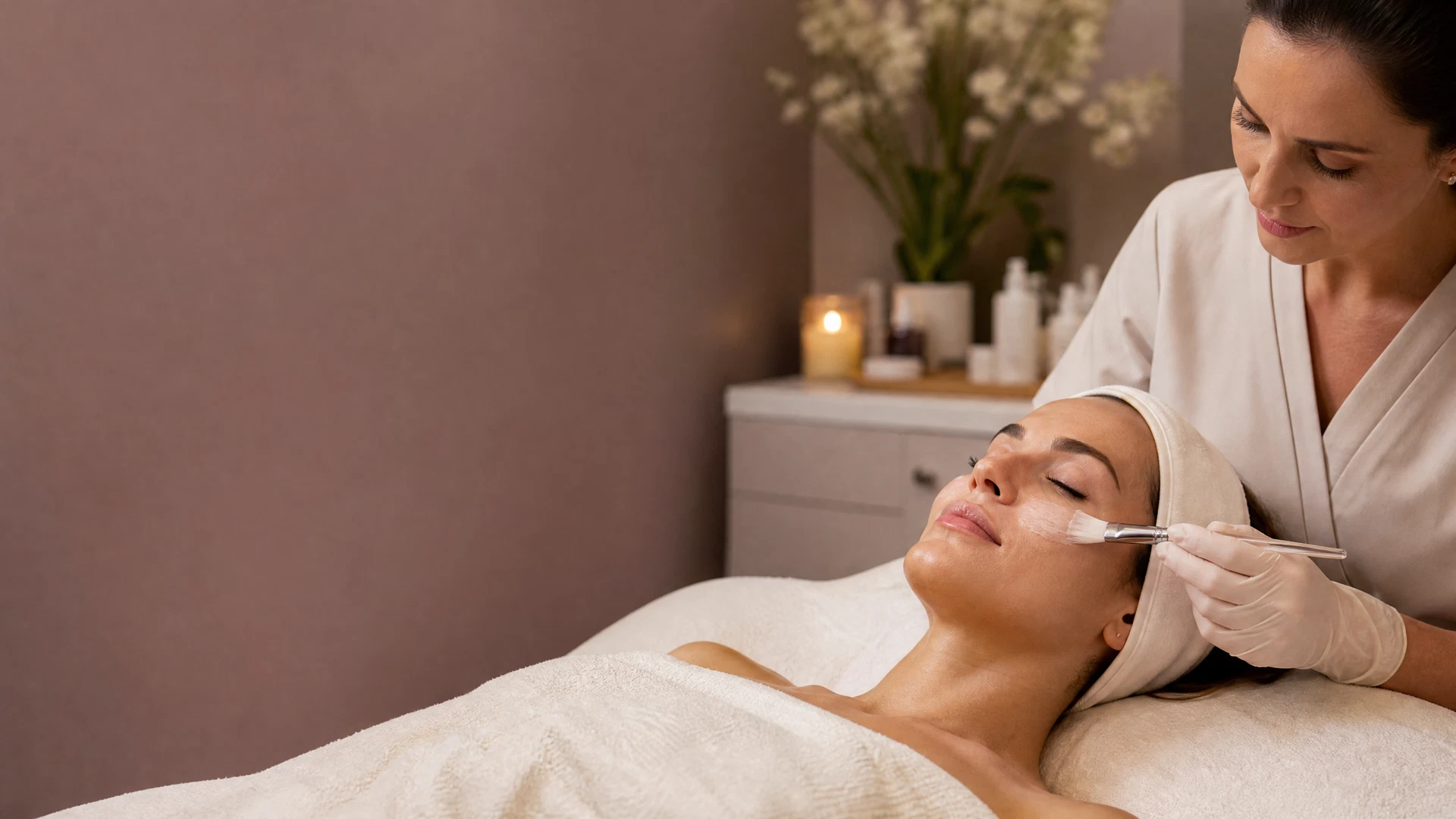
Ultimate Guide to Chemical Peels: Benefits, Cost & Results
Discover everything you need to know about chemical peels, including types, expected recovery, 2026 cost estimates, and how to find top-rated treatments.
Understanding Chemical Peels: The Gold Standard in Skin Rejuvenation
Chemical peels remain a cornerstone of non-surgical medical aesthetics, offering profound skin renewal for patients seeking to address fine lines, hyperpigmentation, acne scarring, and uneven texture. As an experienced board-certified aesthetic specialist, I always remind my patients that a chemical peel is far more than just an advanced exfoliation; it is a controlled medical procedure that stimulates deep cellular turnover and collagen synthesis.
Whether you are preparing for a special event or building a long-term skin health regimen, understanding how these treatments work and what to expect can help you achieve radiant, youthful skin safely and effectively.
How Chemical Peels Work
The science behind chemical peels relies on the targeted application of specialized acid solutions to the skin. These solutions disrupt the intercellular glue holding dead, damaged skin cells together, causing the outermost layers to exfoliate and shed. This process triggers the body's natural wound-healing response, accelerating cell turnover and prompting fibroblasts to produce fresh collagen and elastin.
Treatments are typically categorized into three distinct depths:
- Superficial Peels: Utilizing mild acids like glycolic, lactic, or low-strength mandelic acid, these target the epidermis for gentle brightening with zero downtime.
- Medium Peels: Usually formulated with trichloroacetic acid (TCA) or high-percentage glycolic acid, these penetrate down to the papillary dermis to correct moderate sun damage, fine lines, and pigment irregularities.
- Deep Peels: Utilizing phenol, these deep-penetrating treatments target severe photodamage and deep wrinkles, requiring significant recovery time but yielding dramatic, long-lasting transformations.
Key Benefits of the Treatment
Patients searching for the best Chemical Peels are typically looking to address multiple dermatological concerns simultaneously. The versatile nature of chemical formulations allows practitioners to customize treatments for nearly every skin type and tone.
Major benefits include:
- Significant reduction in hyperpigmentation, melasma, and sun spots.
- Improvement in active acne and reduction of post-inflammatory acne scarring.
- Smoothing of fine lines, crow's feet, and superficial wrinkles.
- Enhanced skin hydration, clarity, and overall luminescence.
- Boosted efficacy of daily medical-grade skincare products by removing the barrier of dead cells.
Chemical Peels By the Numbers: 2026 Industry Insights
The aesthetic medicine landscape continues to experience unprecedented expansion. According to recent 2026 industry statistics, the global chemical peel market has surged, driven by advancements in tailored acid formulations and a growing consumer preference for minimally invasive treatments with high efficacy.
Data reveals that patient satisfaction rates for professional chemical peels remain exceptionally high at over 92%, making it one of the most cost-effective investments in long-term skin health. Furthermore, clinical volume has grown by more than 14% year-over-year, as both millennial and Gen Z demographics embrace preventative aesthetic maintenance.
What to Expect: Chemical Peels Before and After
Managing expectations is crucial for a successful aesthetic journey. Reviewing authentic Chemical Peels before and after galleries can give you a realistic preview of what is achievable. Immediately following a superficial peel, skin may appear slightly flushed, similar to a mild sunburn, which subsides within 24 to 48 hours. Medium-depth peels involve a controlled peeling process that typically occurs between days three and seven post-treatment.
During the recovery window, diligent sun protection and strict adherence to post-procedure hydration guidelines are mandatory to protect the vulnerable, newly revealed skin barrier.
Investment: Understanding Chemical Peels Cost
When budgeting for your skin transformation, the overall Chemical Peels cost varies depending on the depth of the treatment, geographic location, and the expertise of the administering provider. On average, superficial lunchtime peels range from $150 to $300 per session, while customized medium-depth medical peels generally range between $400 and $900. Deeper, specialized clinical treatments can exceed $1,500. Investing in professional-grade care ensures safety, minimizing risks such as post-inflammatory hyperpigmentation.
How to Choose a Provider for Chemical Peels Near Me
Selecting the right practitioner is the single most important decision in your aesthetic journey. When searching online for Chemical Peels near me, look for board-certified dermatologists, plastic surgeons, or licensed medical aestheticians operating under direct physician supervision within an accredited medical spa.
Schedule an in-depth consultation to discuss your medical history, skin classification via the Fitzpatrick scale, and specific aesthetic goals. A qualified professional will design a bespoke treatment plan tailored precisely to your unique biology.
Ready to Transform Your Skin?
If you are ready to reveal a brighter, smoother, and more youthful complexion, finding a trusted, top-rated professional is your next step. Explore our comprehensive national directory to connect with verified medical spas and expert clinicians offering premier chemical peel treatments in your area today.