
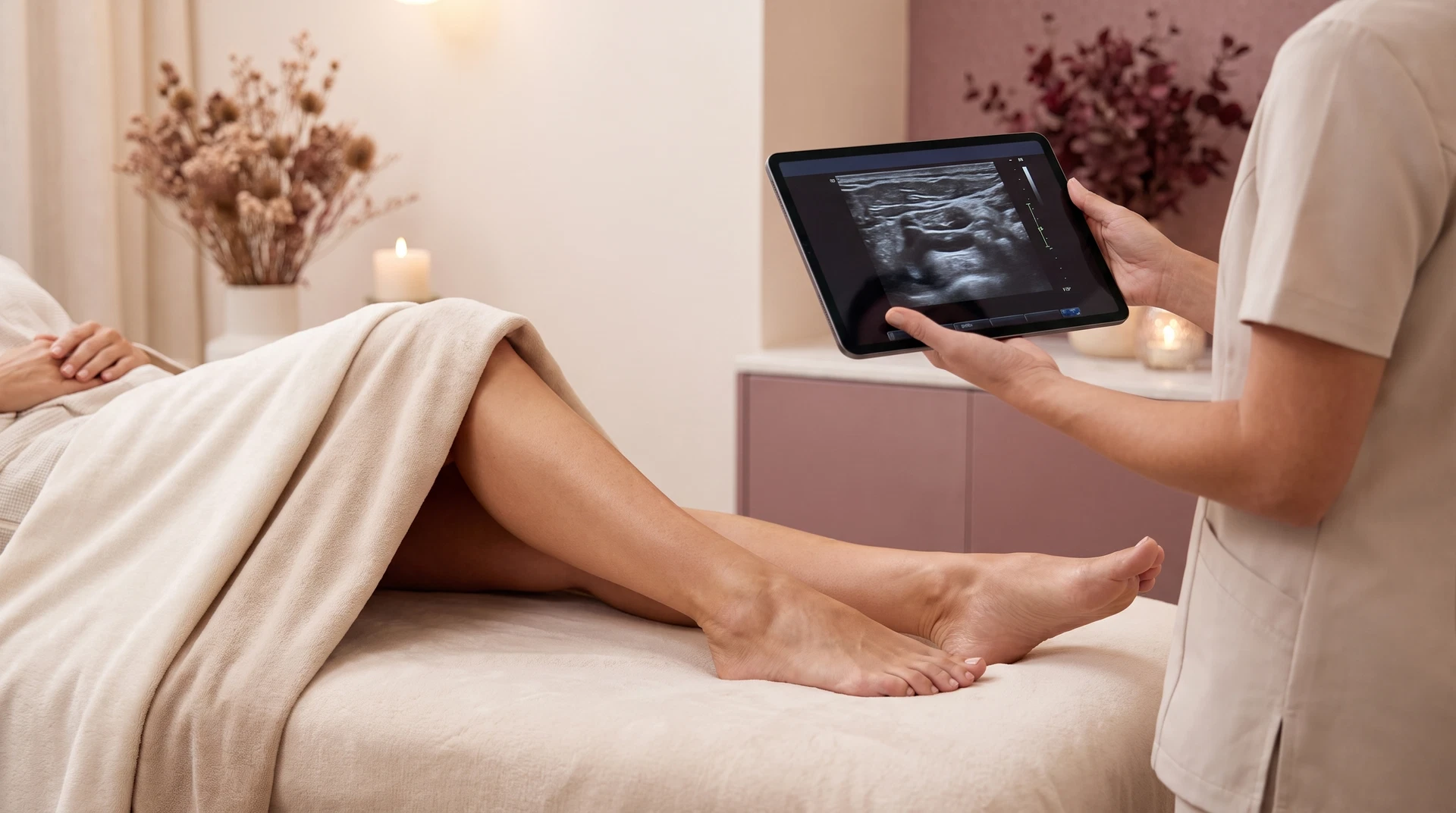
Sclerotherapy: Costs, Results, and Finding Providers
Discover everything you need to know about sclerotherapy for spider and varicose veins. Explore 2026 data, costs, expected results, and how to find top local specialists.
Understanding Sclerotherapy: The Gold Standard for Vein Treatment
For decades, sclerotherapy has remained the premier, minimally invasive gold standard for treating spider veins and uncomplicated varicose veins. As a board-certified medical aesthetics expert, I frequently advise patients who feel self-conscious about superficial leg veins. Whether caused by genetics, prolonged standing, hormonal fluctuations, or pregnancy, these vascular blemishes can impact your confidence and overall comfort. Sclerotherapy offers a highly effective, clinically proven pathway to clearer, healthier-looking skin without requiring major surgery or extended downtime.
How Sclerotherapy Works
The procedure is conceptually straightforward yet scientifically sophisticated. During a treatment session, a specialized sclerosing solution is precisely injected into the targeted abnormal vein using an ultra-fine needle. This solution irritates the lining of the blood vessel, causing it to swell, stick together, and seal shut. Over the course of several weeks, the body naturally absorbs the closed vein, rerouting blood flow to healthier neighboring vessels. The treated vessel gradually fades from view, restoring a smooth, uniform appearance to the skin.
Ideal Candidates for Sclerotherapy
Not all vein conditions are identical, which is why a comprehensive consultation with a qualified medical professional is essential. Ideal candidates for sclerotherapy generally include:
- Adults experiencing noticeable spider veins (telangiectasias) or small reticular veins on the legs.
- Individuals suffering from minor symptoms associated with surface veins, such as aching, burning, swelling, or nighttime cramping.
- Patients in good overall health who do not have a history of deep vein thrombosis (DVT) or severe blood clotting disorders.
- Pregnant or nursing women are typically advised to postpone treatment until several months post-partum.
What to Expect: Procedure and Recovery
Knowing what to happen during and after your appointment can significantly reduce anxiety. Here is a breakdown of the clinical journey:
The Treatment Session
A standard session lasts between 30 to 45 minutes, depending on the extent of the treatment area. Topical numbing is rarely necessary because the needles used are exceptionally fine, resulting in only minor stinging or cramping sensations.
Recovery and Aftercare
Following the injections, patients are typically required to wear medical-grade compression stockings for a prescribed period—usually between one to three weeks—to keep the treated vessels collapsed. Walking is strongly encouraged immediately post-treatment to stimulate healthy circulation, though high-impact exercise should be paused for a few days.
Sclerotherapy Results and Before-and-After Expectations
Patience is key when evaluating Sclerotherapy results. While some fading is visible immediately, the treated veins do not vanish overnight. The body requires time to fully absorb the sclerosed tissue. Most patients notice dramatic improvements within three to six weeks for smaller spider veins, while larger reticular veins may take up to three to four months. Reviewing authentic Sclerotherapy before and after portfolios from your provider helps establish realistic expectations, showcasing how multiple sessions are often required to achieve optimal clearance.
Sclerotherapy Cost Breakdown
When budgeting for your aesthetic journey, understanding the financial investment is crucial. On average, the national Sclerotherapy cost ranges from $300 to $600 per session. Total pricing depends heavily on geographic location, the expertise of the medical provider, the size and severity of the affected area, and the total number of vials or sessions required. Because surface spider veins are typically classified as cosmetic procedures, they are rarely covered by standard health insurance, though medical-grade varicose vein treatments causing physiological symptoms may qualify for partial coverage.
2026 Industry Insights and Data
The aesthetic medicine landscape continues to evolve rapidly, driven by advanced technological refinements and a surging consumer demand for minimally invasive body and skin procedures. According to recent 2026 industry statistics compiled by aesthetic research associations, the global vein treatment market has expanded by over 7.2% year-over-year. Patient satisfaction rates for sclerotherapy remain exceptionally high, hovering at approximately 91% to 94% globally, making it one of the most reliable and rewarding aesthetic interventions available today. Furthermore, modern sclerosing agents have reduced post-procedure hyperpigmentation risks by nearly 15% compared to formulations used a decade ago.
How to Choose the Best Sclerotherapy Provider
Securing safe, beautiful outcomes relies entirely on the skill and clinical training of your practitioner. When searching for the best Sclerotherapy specialists in your region, consider the following criteria:
- Ensure the procedure is performed or directly supervised by a board-certified dermatologist, vascular surgeon, or qualified medical aesthetic specialist with extensive phlebology experience.
- Review comprehensive before-and-after galleries of actual patients treated at the clinic.
- Verify that the facility utilizes FDA-approved sclerosing agents and adheres to the highest medical safety standards.
Ready to restore smooth, clear skin and say goodbye to stubborn leg veins? Take the first step today by exploring our comprehensive national directory to find top-rated medical aesthetics clinics offering Sclerotherapy near me.